
Rights bodies, parties express outrage over mob killing of Kushtia pir, decry ‘culture of impunity’
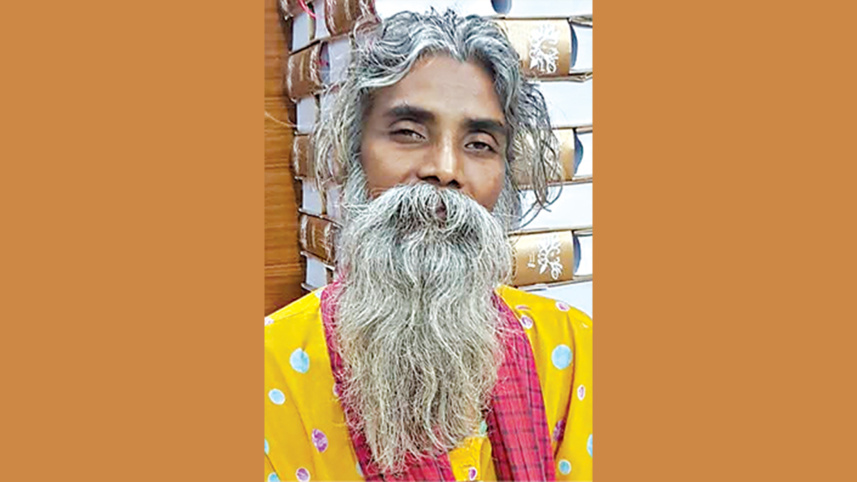
Human rights organisations, cultural bodies, and political parties have strongly condemned the mob killing of a pir (spiritual leader) in Kushtia, demanding an impartial investigation and the immediate arrest of those responsible. The victim, Abdur Rahman, alias Shamim al-Jahangir, was beaten and hacked to death at his darbar (shrine) in Daulatpur upazila on Saturday.
According to the Human Rights Support Society (HRSS), tensions had been building over an old social media video containing allegedly derogatory remarks about the Quran, which led a mob to vandalise and torch the premises.
Terming the killing a serious violation of human rights, the HRSS said such incidents reflect a deep-rooted culture of impunity that threatens communal harmony.
Expressing deep concern, Ain o Salish Kendra (ASK) pointed to law enforcers’ alarming failure to control the situation despite being present at the scene.
Calling mob violence a violation of the Constitution, ASK demanded exemplary punishment and warned that failure to prevent past shrine attacks has increased the risk of recurrence.
Comparing the attack to “medieval barbarism”, Biplobi Workers Party General Secretary Saiful Haque said the failure to prosecute those involved in the vandalism of over a hundred shrines over the past one and a half years has allowed mob violence to take a “terrifying shape”.
Bangladesh Udichi Shilpigoshthi criticised the former interim administration, alleging that the “bygone Yunus government” encouraged attacks on dissenting views, and urged the current government to act firmly against mob violence.
The National Citizens’ Party (NCP) emphasised that courts are the sole authority to deal with blasphemy allegations.
Criticising the administration, NCP noted that such violence requires local political backing and accused perpetrators of committing criminal offences with impunity.
The Bangladesh Rashtra Songskar Andolon described the killing as a “demonic” act and blamed what it called “Tawhidi terrorists” for using religion as an excuse to humiliate and kill people, pushing the country toward disaster.
Meanwhile, Bangladesh Khelafat Majlis Ameer Maulana Mamunul Haque also condemned the violence, saying taking the law into one’s own hands is never acceptable.
Demanding exemplary punishment for the culprits, he opposed framing the broader devout Muslim community and objected to using terms like “Tawhidi Janata” to criminalise the religious populace.
Referring to longstanding grievances over alleged “anti-social activities” at some shrines, Mamunul suggested forming a neutral investigation commission, comprising Islamic scholars, to address the underlying issues.
No comments:
Post a Comment